10 a.m. The Deadline for iPhone Duo Walk-In Inventory Details
As lines formed overnight for the new foldable device, Apple directed disappointed shoppers to check the app at 10 a.m. Eastern Time for updated in-store stock.
By Ahmed Mansour ·
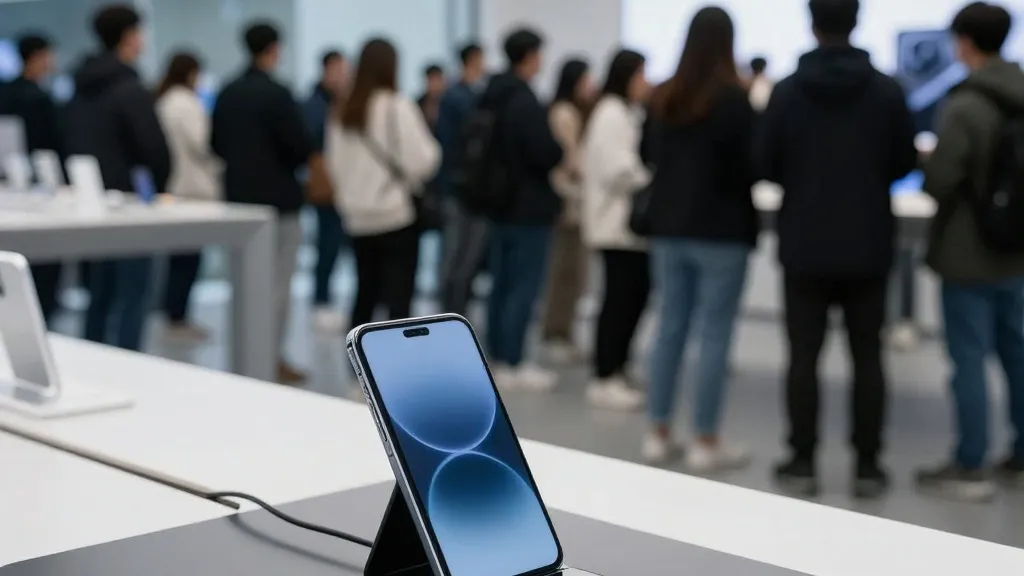
The technology landscape has long anticipated a shift in mobile form factors, a transition that has finally arrived with the release of the first foldable iPhone. On Friday, October 23, the iPhone Duo officially debuted at Apple Store locations around the globe, marking a significant milestone for the company’s hardware lineup. The launch event was characterized by a worldwide surge in customer traffic, with Apple sharing visual documentation of the busy scenes through a press release issued this morning. These images, supplemented by photos from 9to5Mac readers, depict a bustling environment where the new device took center stage.
Apple’s official statement highlights the immediate engagement of customers who filled retail spaces to interact with the new hardware. Team members were deployed to provide hands-on demonstrations and personalized shopping assistance, ensuring that shoppers could experience the unique features of the foldable design. The company emphasized that the debut was a global effort, with stores operating in coordination to manage the high volume of interest. This coordinated approach underscores the strategic importance Apple places on the initial rollout of the iPhone Duo, aiming to create a consistent and immersive experience for users in every region.
High-level executives were present at key locations to oversee the launch and engage with the public. Greg Joswiak, Apple’s senior vice president of worldwide marketing, was seen celebrating the debut at the flagship Fifth Avenue store in New York. He was joined there by Vanessa Trigub, a senior retail executive. Their presence signaled the company’s commitment to the launch, with leadership taking a direct role in the initial days of sales. The atmosphere in New York was described as celebratory, reflecting the company’s confidence in the new product’s reception among early adopters.
In Austin, Texas, Apple CEO John Ternus marked the occasion at the Apple Store located at Domain NORTHSIDE. He was accompanied by Deirdre O’Brien, the company’s retail chief. This choice of location aligns with recent reports that Ternus toured Apple’s offices in Austin earlier this week, suggesting a deeper operational focus on the region. The timing of the launch also coincided with the Formula 1 United States Grand Prix taking place in Austin that same weekend. Given Apple’s status as the exclusive F1 streamer in the United States, the presence of the CEO in the city added a layer of strategic visibility to the product debut, linking the new phone to a major entertainment event.
Despite the high-profile executive presence, the practical realities of supply and demand created challenges for many shoppers. Lines formed at Apple Stores overnight as customers waited for the doors to open, hoping to secure a unit through walk-in availability. Apple had previously warned that inventory at retail locations would be limited, a prediction that proved accurate during the first day of sales. The scarcity of stock led to a noticeable level of disappointment among those who had waited in line, particularly as store staff communicated the constraints of the current inventory. The situation highlighted the gap between consumer demand and the initial supply chain capacity for the new device.
To manage the flow of customers and provide clarity on remaining stock, Apple Store workers directed disappointed shoppers to the Apple Store app. The specific instruction was to check the application at 10 a.m. Eastern Time for detailed in-store inventory information. This digital update was intended to help customers plan their visits more effectively, reducing the uncertainty that had contributed to the long overnight queues. By shifting some of the inventory management visibility to the app, the company aimed to streamline the shopping process and reduce frustration among those who were unable to purchase a device immediately upon opening. The strategy reflects a broader trend in retail where digital tools are increasingly integrated with physical store operations to manage peak demand periods.
The launch day also served as a platform for community engagement, with Apple inviting customers to share their experiences. The company’s press release and subsequent social media interactions encouraged users to post their own photos and reflections from the morning. This user-generated content provided a real-time snapshot of the global launch, offering insights into how different markets reacted to the iPhone Duo. The mix of official corporate imagery and personal anecdotes created a multifaceted narrative of the product’s introduction, blending corporate branding with consumer enthusiasm. As the day progressed, the focus shifted from the initial excitement of the launch to the logistical challenges of distribution and inventory management, setting the stage for the coming days of sales.
Source: 9to5Mac